


When buyers think about home inspection problems, they often picture small repairs like a leaky faucet or a loose outlet. In reality, the issues that create the biggest financial surprises are usually hidden in the roof, structure, electrical system, plumbing, or moisture control. In Northwest Indiana, where older homes, lake-effect weather, and seasonal temperature swings can put extra stress on a property, these problems can become especially costly.
At Certified Home Inspections, we regularly help buyers understand which defects are minor and which ones may lead to major repair bills. Here are the five most expensive problems we commonly find during home inspections in Northwest Indiana.
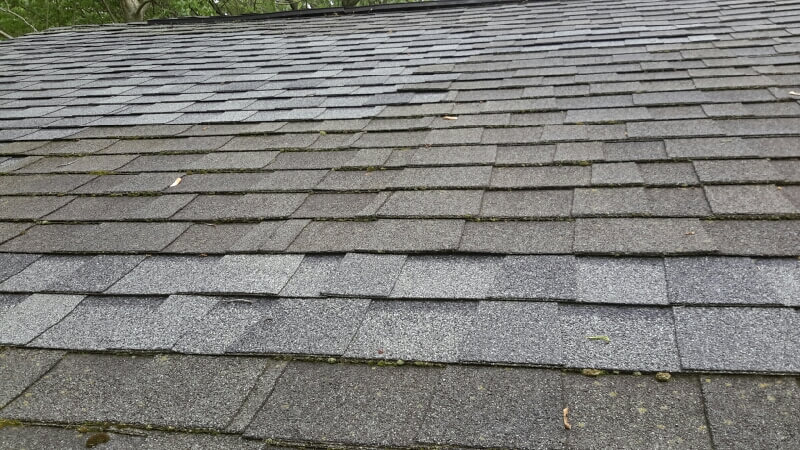
1. Roof Failure and Hidden Water Damage
A roof that looks “fine from the street” can still have expensive problems underneath. Missing shingles, deteriorated flashing, soft decking, poor ventilation, and old underlayment can all lead to leaks that damage insulation, ceilings, framing, and even electrical components.
In many cases, the roof itself is only part of the cost. Water intrusion often creates a chain reaction of repairs inside the attic and upper floors. What starts as a roofing issue can quickly become a mold, drywall, and structural repair project.
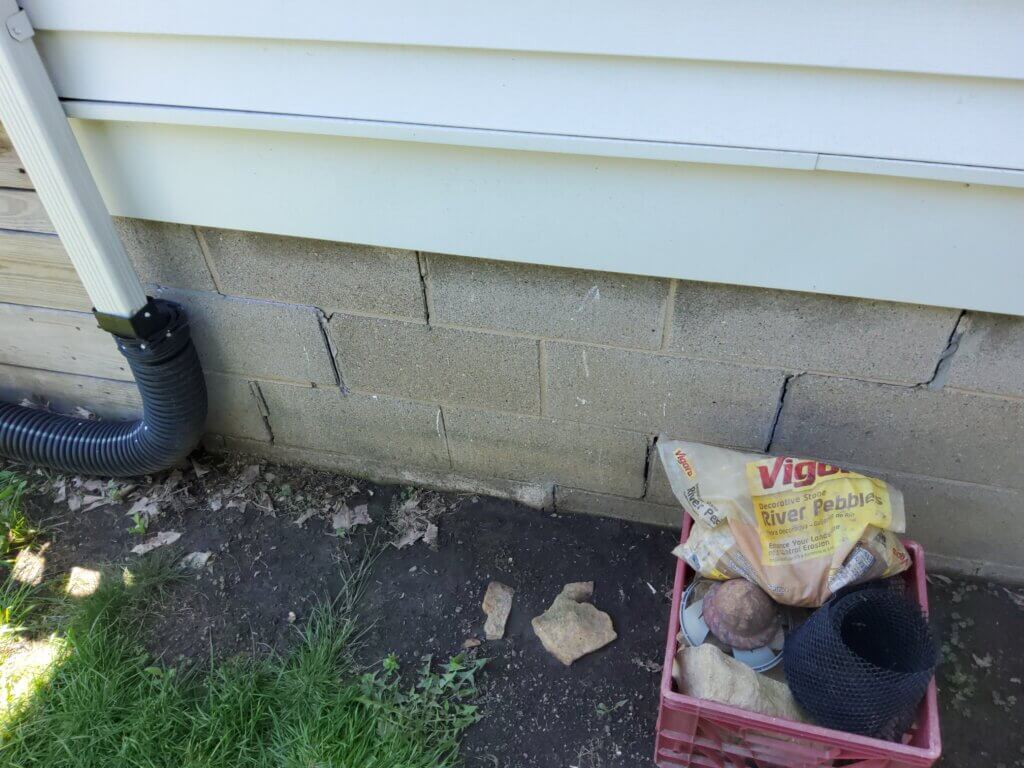
2. Foundation Movement and Structural Settlement
Foundation concerns are among the most expensive findings in any inspection. Cracks in walls, sloping floors, sticking doors, stair-step cracking in masonry, and signs of movement around the basement can point to settlement, soil pressure, drainage issues, or structural stress.
In Northwest Indiana, freezing and thawing cycles, drainage problems, and older construction can all contribute to foundation movement. Some issues are cosmetic, but others require engineering evaluation, reinforcement, drainage correction, or substantial structural repair. Those costs can add up fast.
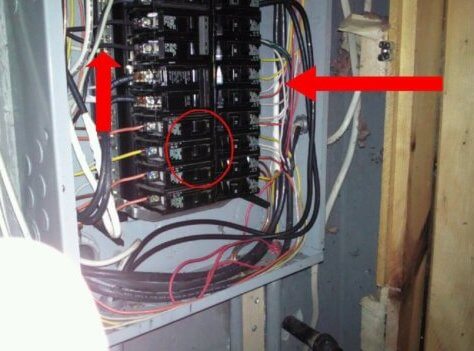
3. Electrical System Defects
Outdated or unsafe electrical systems are another major expense. Common concerns include older panels, double-tapped breakers, open junction boxes, improper wiring repairs, ungrounded outlets, and inadequate service capacity for modern needs.
Electrical upgrades can become costly because they often require more than one repair. A buyer may need panel replacement, circuit corrections, new grounding, or additional work to bring the home up to current standards. In some older homes, the needed improvements can affect nearly every part of the system.
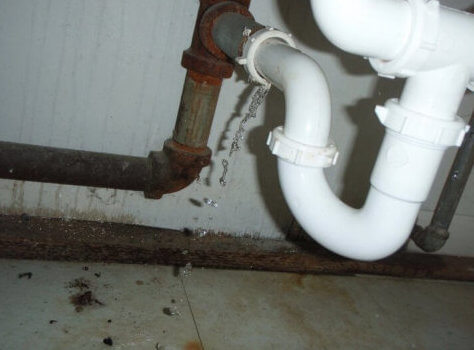
4. Plumbing Failures and Hidden Leaks
Plumbing issues can be deceptively expensive because much of the damage happens out of sight. Leaks under sinks, inside walls, in crawl spaces, or beneath slab foundations can lead to water damage, mold growth, damaged flooring, and even structural problems.
We also see older supply lines, failing drains, low water pressure, and water heater concerns that may require replacement. If the plumbing system has widespread deterioration, the repair may involve more than a simple fix. In severe cases, re-piping or significant access work may be necessary.

5. Moisture Problems in Basements and Crawl Spaces
Moisture intrusion is one of the most common and costly issues we find in this region. Poor grading, damaged gutters, clogged downspouts, foundation cracks, and inadequate drainage can all allow water into basements and crawl spaces.
Once moisture gets in, the damage can spread to insulation, framing, subflooring, and mechanical systems. Persistent dampness can also create conditions for mold and wood decay. Even when the immediate fix seems simple, long-term moisture control often requires several solutions working together.
Why These Problems Matter
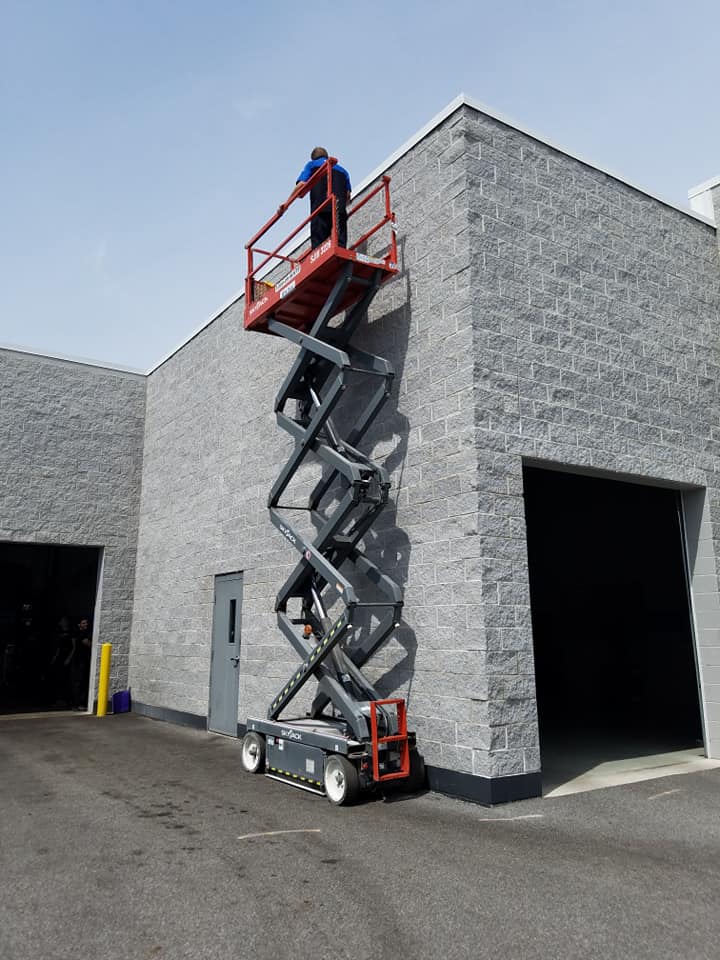
The most expensive inspection findings are rarely the ones that look dramatic in a listing photo. They are often the problems that hide behind walls, under floors, or above ceilings until a professional inspection reveals them. That is why a thorough home inspection is one of the best investments a buyer can make before closing.
For buyers, these findings can affect repair negotiations, lender requirements, insurance concerns, and long-term ownership costs. For sellers, addressing major defects early can help reduce surprises and keep deals moving forward. Either way, knowing the difference between a small repair and a major one can save a lot of money and stress.
Final Thoughts
If you are buying a home in Northwest Indiana, don’t focus only on what looks good during the showing. The biggest expenses usually come from the problems you cannot see without a detailed inspection. A clear, professional inspection report helps you make a smarter decision and avoid costly surprises after closing.

Certified Home Inspections is here to help buyers, sellers, and real estate professionals understand the true condition of a home before it becomes an expensive problem.