

Get a quote, see what’s included, and check availability
Or Call 219-476-9225
Deep Experience With Multi‑Family Properties
Multi‑family buildings are more complex than single‑family homes. There are shared systems, multiple electrical panels, interconnected fire safety components, and often mixed ages of updates from unit to unit. Certified Home Inspections has extensive experience navigating these complexities across duplexes, tri‑plexes, four‑units, and larger multi‑family properties throughout Northwest Indiana.
Because your team regularly works with investors, property managers, and real estate professionals, you understand the types of information multi‑family owners need: clear safety findings, maintenance priorities, and insight into the long‑term condition of the building. Instead of a generic “home inspection,” your reports are geared toward income‑producing properties and the decisions that come with them.

Professional Qualifications You Can Rely On
In Indiana, home inspectors must meet state licensing requirements, and Certified Home Inspections builds on that foundation with additional training and certifications that are especially relevant to multi‑family work. This includes education in structure, roofing, electrical, plumbing, HVAC, and life‑safety systems. For multi‑unit buildings, these skills are applied repeatedly across units and common areas, giving owners a big‑picture view of the property.
Beyond licenses and certifications, your inspectors follow established industry standards of practice and carry appropriate insurance, which gives clients an added layer of confidence. The combination of formal qualifications and focused experience in multi‑family properties is what sets your team apart from generalists who rarely step into larger buildings.
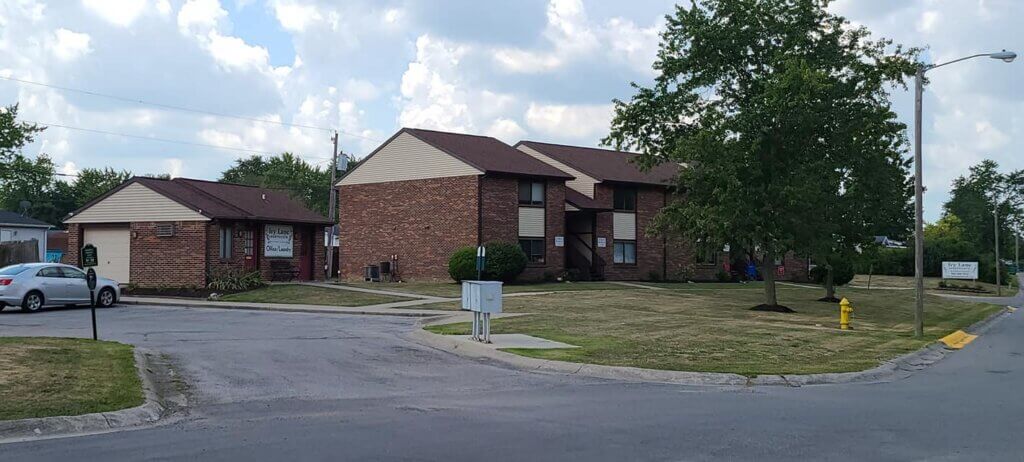
Why Northwest Indiana Owners Choose Certified
Owners and investors in Porter, Lake, and La Porte counties turn to Certified Home Inspections because you combine technical knowledge with strong communication and local understanding. The climate, soil, and building styles in Northwest Indiana create recurring issues—like foundation movement, moisture intrusion, and aging mechanicals—that your inspectors see daily.
Just as important, your reports are written in clear, practical language. Investors appreciate prioritized findings, photos, and plain‑English explanations that help them estimate costs, negotiate repairs, or plan capital improvements. Realtors and repeat clients know they can count on you for prompt scheduling, thorough on‑site work, and responsive follow‑up when questions arise.

Respecting Tenants: Common 48‑Hour Notice
Multi‑family inspections happen in someone’s home, not an empty building. Respecting tenants is essential, and Certified Home Inspections works closely with owners and property managers to minimize disruption. It is common practice for landlords or property managers to give tenants at least 48 hours’ written notice before an inspection or non‑emergency entry into their unit, both as a courtesy and to comply with lease terms or local expectations.
Your team understands that good communication with tenants leads to smoother inspections. Coordinated scheduling, clear time windows, and professional conduct in each unit help maintain positive tenant relationships while still giving owners the detailed information they need about the property’s condition.

A Partner for Investors and Property Managers
Whether you are evaluating a new acquisition, documenting current conditions, or planning future upgrades, Certified Home Inspections acts as a trusted partner for multi‑family owners in Porter, Lake, and La Porte counties. Comprehensive inspections, clear reporting, and respect for tenants all work together to protect both your investment and your reputation in the community.
Multi‑Family Building Inspection FAQ
1. What types of multi‑family properties do you inspect?
Certified Home Inspections inspects duplexes, tri‑plexes, four‑units, townhome buildings, and larger multi‑family properties with multiple units and shared systems.
These inspections cover both individual units and common areas such as basements, hallways, laundry rooms, and mechanical rooms.
2. Which areas of Northwest Indiana do you serve?
Certified Home Inspections focuses on Northwest Indiana, especially Porter, Lake, and La Porte counties.
These counties include key investor and rental markets such as Valparaiso, Merrillville, Portage, Michigan City, Crown Point, and nearby communities.
3. How is a multi‑family inspection different from a single‑family inspection?
Multi‑family inspections involve repeated evaluation of systems across multiple units, plus shared components like main electrical service, common plumbing, and fire‑safety systems.
The inspection also emphasizes the building’s overall performance as an income‑producing asset, helping owners prioritize repairs and capital improvements.
4. What qualifications do your inspectors have?
Inspectors meet Indiana state licensing requirements for home inspection and follow recognized standards of practice.
They also have additional training in structure, roofing, electrical, plumbing, HVAC, and safety systems, which is especially important in larger multi‑unit buildings.
5. What does a typical multi‑family inspection include?
A typical inspection covers the roof, exterior, structure, foundation, electrical, plumbing, heating and cooling, interiors, and visible safety concerns.
Each accessible unit and the common areas are reviewed, and findings are documented with notes and photos in a written report.
6. How much notice do tenants need before an inspection?
It is common practice for landlords or property managers to provide tenants with at least 48 hours’ notice before a non‑emergency inspection or entry.
Certified Home Inspections relies on the owner or manager to send this notice and then coordinates inspection times to respect tenants’ schedules.
7. Who should be present during the inspection?
For multi‑family buildings, many investors prefer to attend, but it is not required; property managers often represent the owner on‑site.
Tenants usually do not need to stay for the entire inspection, but they should be aware of the date and time and ensure access to all rooms and systems.
8. How long does a multi‑family inspection take?
Time depends on the size and condition of the building, but multi‑family inspections generally take longer than single‑family homes because each unit must be evaluated.
Larger properties may require several hours or, in some cases, scheduling across multiple days to thoroughly cover all units and common areas.
9. What will the inspection report look like?
The report is organized, photo‑rich, and written in clear language, with findings grouped and often prioritized so owners can quickly see safety issues, major defects, and maintenance items.
This format helps investors use the report for negotiations, budgeting, and long‑term planning for the property.
10. Can you help with inspections before purchasing a new multi‑family property?
Yes, Certified Home Inspections frequently works with buyers and their agents to evaluate multi‑family properties during the purchase process.
The goal is to identify significant issues early so you can make informed decisions, negotiate repairs or pricing, or plan for post‑closing improvements.
11. How far in advance should I schedule a multi‑family inspection?
Scheduling at least several days to a week in advance is recommended so there is enough time to coordinate tenant notices and access to each unit.
For larger buildings or tight closing timelines, contacting the inspection company as early as possible offers the best chance to secure preferred dates.