

Drone Roof Inspections: A Safer, Smarter Way to Protect Your Home
When it comes to evaluating the exterior and roof of a home, safety and visibility are everything. Certified Home Inspections uses advanced drone technology to inspect areas that are dangerous or impossible to reach with a ladder, giving homeowners and buyers in Northwest Indiana a more complete and accurate picture of a property’s condition. This is especially valuable for steep, high, or complex roofs where a traditional walkable inspection simply is not safe or practical.
By combining professional inspection training with FAA-compliant drone operations, Certified Home Inspections delivers a level of detail that helps clients make confident decisions about one of their largest investments.
Certified and Qualified to Fly Drones
Operating drones for commercial purposes, including home inspections, requires more than just owning the equipment. It requires proper licensing, adherence to federal regulations, and a clear understanding of safety protocols. Certified Home Inspections conducts drone inspections under FAA Part 107 rules, which govern commercial drone operations in the United States, including requirements for remote pilot certification, airspace awareness, and safe operating practices.
In addition, using drones effectively for inspections demands knowledge of building systems, roofing materials, and exterior components, so that detailed aerial images can be interpreted correctly. Certified Home Inspections combines this technical inspection expertise with drone operation skills to ensure that photos and video are not just impressive, but meaningful and actionable.
Why Drone Roof Inspections Matter
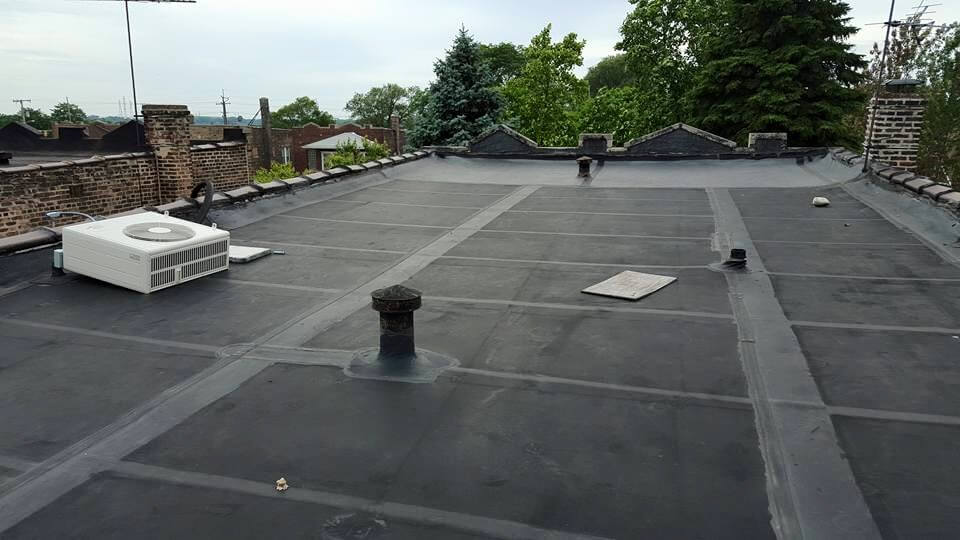
Many homes in Northwest Indiana, especially in Porter, Lake, and La Porte counties, have roofs that are too steep, too high, or too fragile to walk safely. In those cases, traditional inspectors are often forced to rely on binoculars from the ground, limited ladder access to a single edge, or simply disclaim parts of the roof as “not visible,” which can leave significant blind spots for buyers and homeowners.
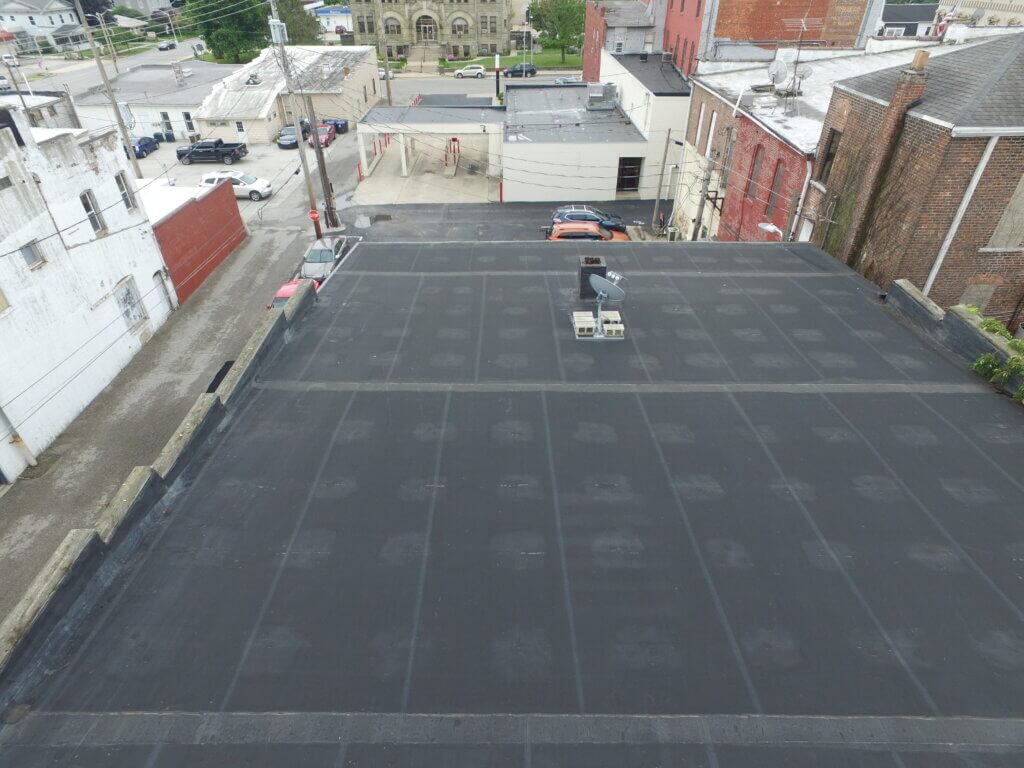
Drone inspections eliminate much of that guesswork. High-resolution aerial imaging allows Certified Home Inspections to:
- View every slope, valley, and penetration of the roof up close
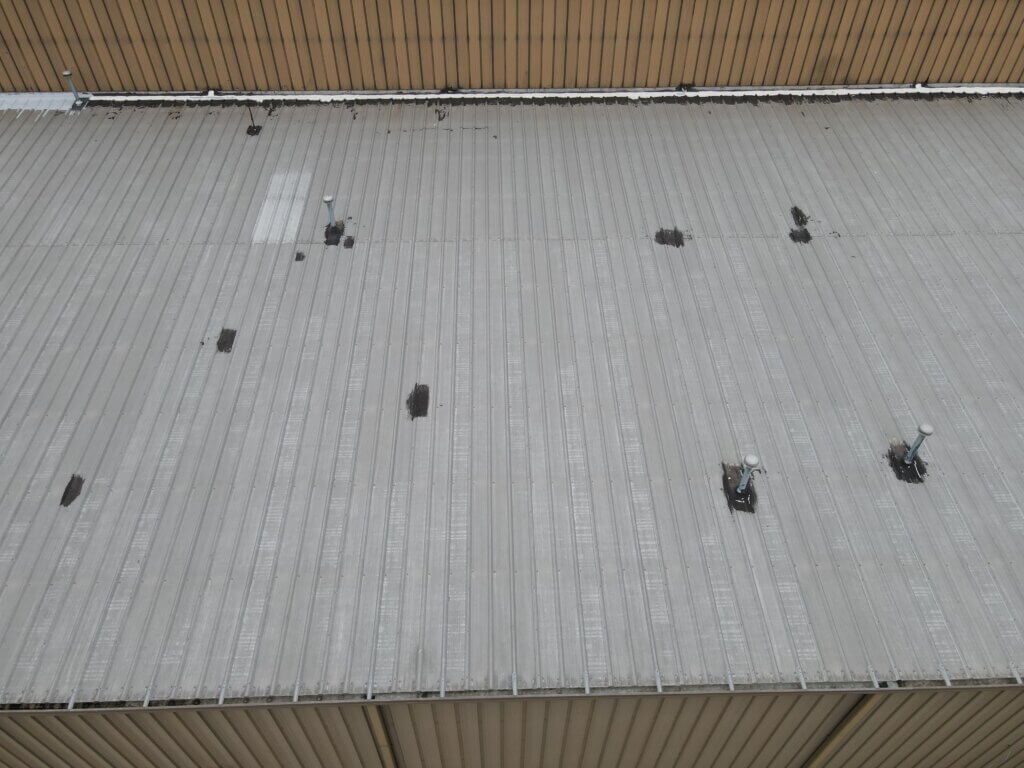
- Identify missing shingles, hail or wind damage, cracked flashing, and exposed fasteners
- Examine chimney caps, vents, skylights, and gutters from angles that are impossible from the ground
This level of detail leads to more accurate reporting, better documentation, and clearer recommendations for repair or maintenance.
One of the Few Drone-Enabled Inspectors in Northwest Indiana
While drone use is growing, many home inspectors in Northwest Indiana still rely solely on traditional methods. Industry reports and inspector directories show that drone adoption among inspectors is increasing but far from universal, particularly in smaller regional markets. That makes Certified Home Inspections one of the few inspection companies in Porter, Lake, and La Porte counties to consistently integrate drone technology into standard exterior and roof evaluations.
For local buyers, sellers, investors, and real estate agents, this means access to a more modern and thorough inspection option. In competitive markets where properties move quickly, the ability to see clear, detailed imagery of the roof and upper exterior can be the difference between discovering a major issue in time or facing a costly surprise later.
How Drone Inspections Improve Accuracy and Safety
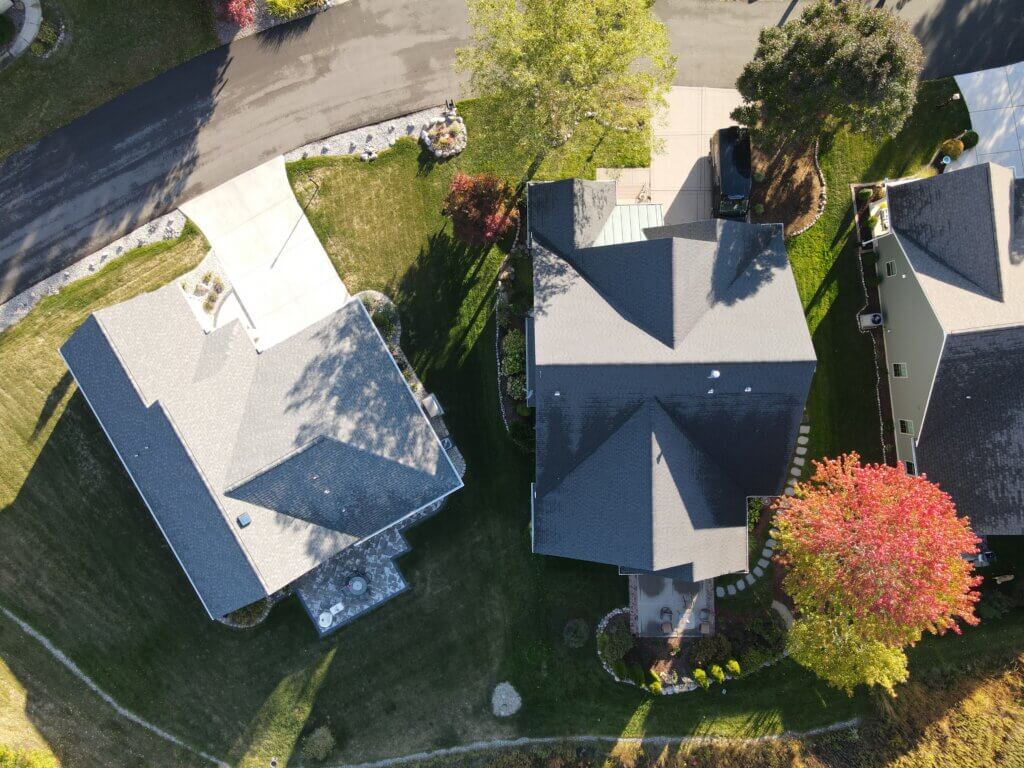
Drone-assisted inspections enhance both the quality of information and the safety of the inspection process. Using a drone, Certified Home Inspections can capture dozens of high-resolution images from multiple angles, documenting the condition of roofing materials, flashing, gutters, and upper siding more comprehensively than a ground-level view allows.
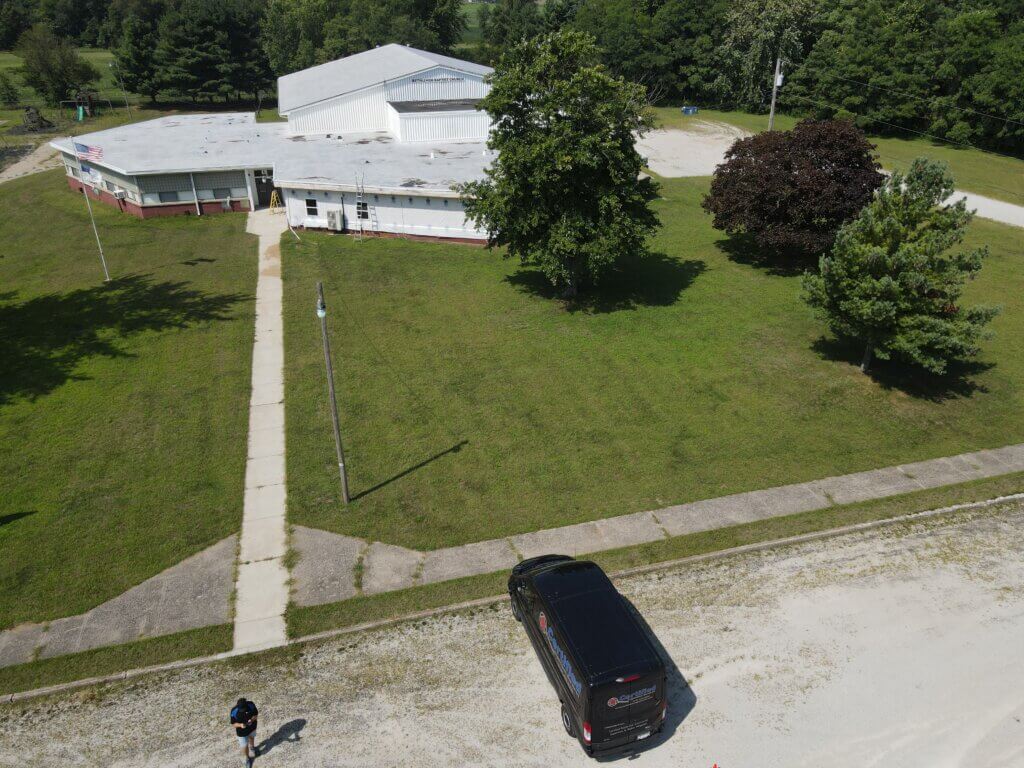
At the same time, drone use reduces the need to climb on tall or unstable roofs, lowering the risk of falls and property damage. Instead of balancing on a steep slope or fragile surface, the inspector can stay safely on the ground while still obtaining close-up views of problem areas. This combination of safety and precision helps ensure that clients receive a detailed, trustworthy report without compromising anyone’s well-being.
Drone Roof & Exterior Inspection FAQ
1. Why does Certified Home Inspections use drones for roof inspections?
Certified Home Inspections uses drones to safely access high, steep, or hard‑to‑reach roofs that may be unsafe or impossible to walk, while still providing detailed, close‑up images of the roofing materials and exterior components. This leads to a more complete and accurate inspection report for clients in Northwest Indiana.
2. Are you certified to perform drone inspections?
Yes. Drone operations for inspections are conducted under FAA Part 107 rules, which require a remote pilot certificate, knowledge of airspace regulations, and adherence to specific safety standards for commercial drone use.
3. What areas do you serve with drone inspections?
Certified Home Inspections provides drone‑assisted exterior and roof inspections throughout Northwest Indiana, including Porter County, Lake County, and La Porte County, as well as surrounding communities.
4. When is a drone used instead of a ladder?
A drone is typically used when the roof is too steep, too high, too fragile, or otherwise unsafe to walk, or when certain sections of the roof cannot be reached with a ladder. In many cases, both ladder access and drone imaging are used together for the most thorough evaluation.
5. What can a drone see that a traditional inspection might miss?
High‑resolution aerial photos and video allow the inspector to see every slope, valley, ridge, and penetration of the roof, as well as details like missing or damaged shingles, worn flashing, exposed fasteners, chimney caps, vents, skylights, and gutters from multiple angles.
6. Is a drone roof inspection safe for my property?
Yes. The drone is operated from the ground and does not require anyone to walk on the roof, which reduces the risk of damage to delicate roofing materials and eliminates the risk of falls or accidents on steep or slippery surfaces.
7. Do all home inspectors in Northwest Indiana use drones?
No. While drone use is becoming more common, many inspectors still rely only on ladders and ground‑level viewing. Certified Home Inspections is among the relatively small number of inspectors in Northwest Indiana, including Porter, Lake, and La Porte counties, that regularly incorporate drone technology into standard inspections.
8. Will drone photos be included in my inspection report?
Yes. Relevant drone images of the roof and exterior are included in the written inspection report, helping you and your real estate agent clearly see any issues and understand the inspector’s findings and recommendations.
9. Can drones be used in all weather conditions?
No. For safety and image quality, drones cannot be flown in high winds, heavy rain, snow, or extreme low visibility. If weather conditions are unsafe, the drone portion of the inspection may be rescheduled or alternative inspection methods will be used.
10. Does a drone inspection replace a full home inspection?
A drone is a tool that enhances the roof and exterior portion of a full home inspection, not a replacement for it. Certified Home Inspections still evaluates all major systems and components of the home according to inspection standards, using the drone specifically to improve roof and upper‑exterior coverage.