


How to Prevent Foundation Water Seepage During Heavy Rains
When heavy rain hits Northwest Indiana, one of the most common problems homeowners face is water seeping into the basement or crawl space. Foundation moisture issues can lead to structural damage, mold growth, and costly repairs if left unchecked. The good news is that most water intrusion problems are preventable with proper maintenance and a few smart upgrades.
At Certified Home Inspections, we regularly identify these issues during inspections—and many are fixable before they become major headaches. Here’s what every homeowner should know.
Maintain Proper Yard Slope (Grading)
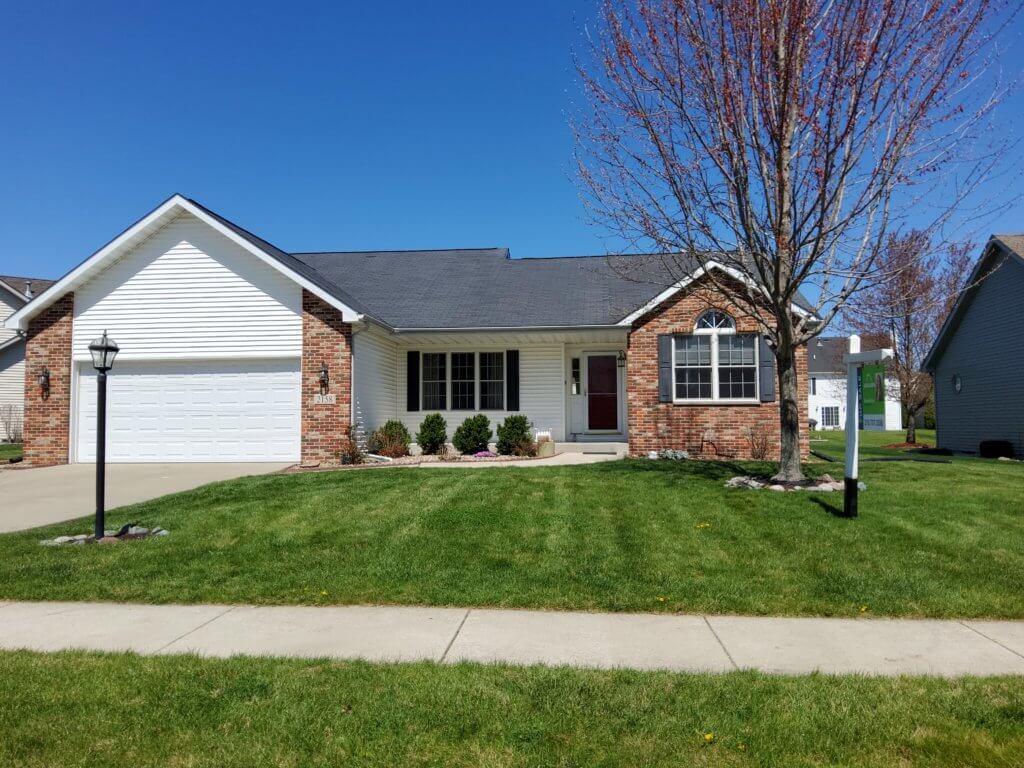
One of the most important defenses against water intrusion is proper grading around your home.
The soil around your foundation should slope away from the house at a minimum of about 6 inches over the first 10 feet. This ensures that rainwater naturally drains away instead of pooling near the foundation.
Watch for:
- Low spots or depressions near the foundation
- Soil that has settled over time
- Landscaping beds that trap water against the home
If you notice these issues, adding compacted soil to build up the grade can make a significant difference.
Keep Gutters Clean and Functional
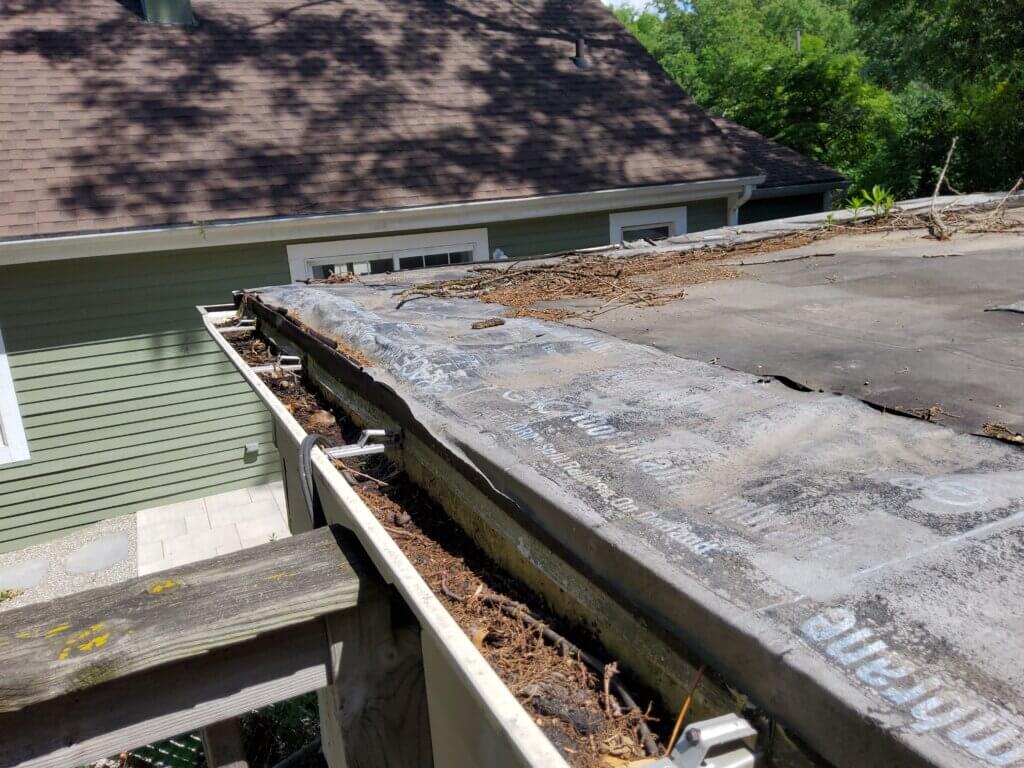
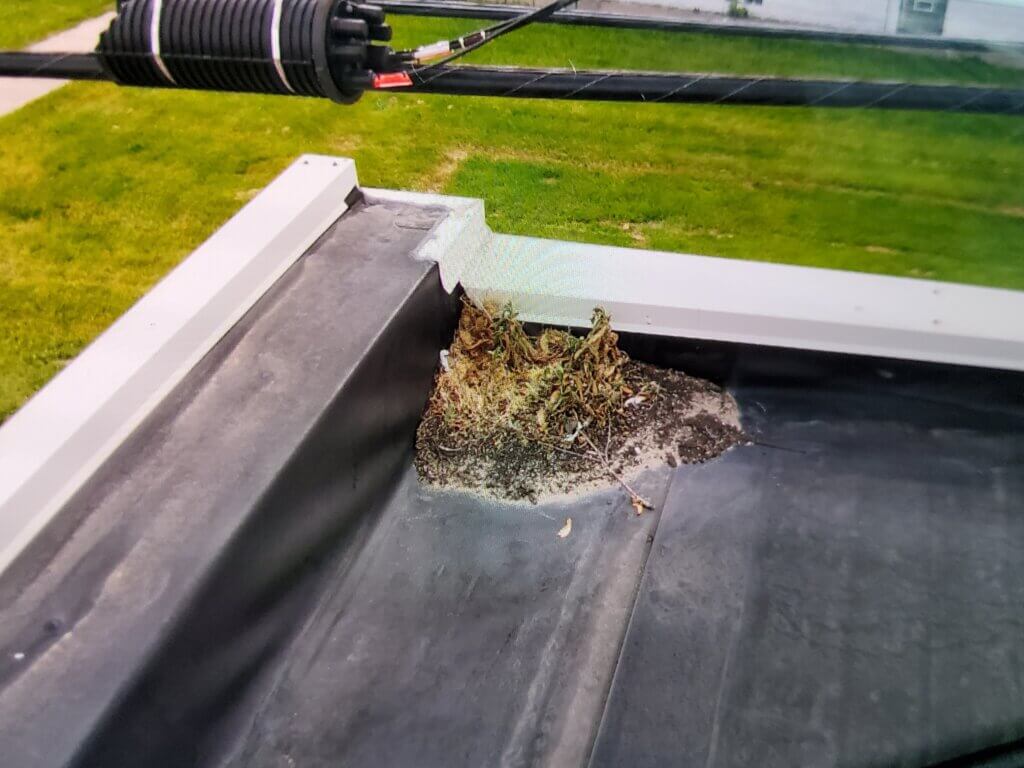
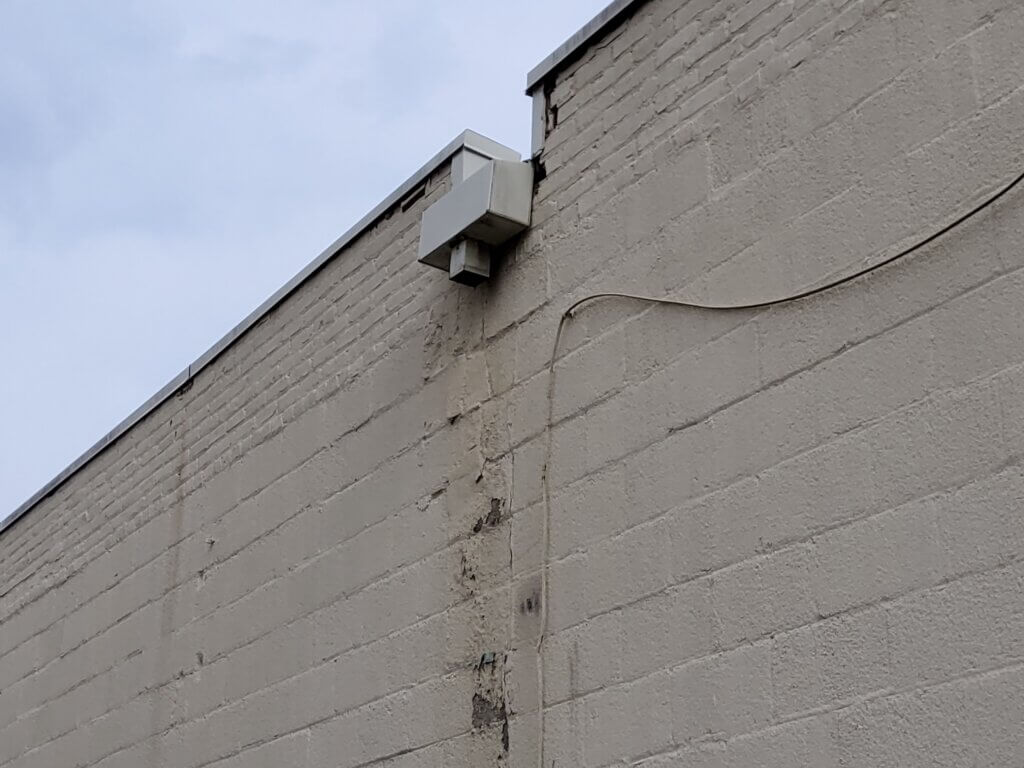
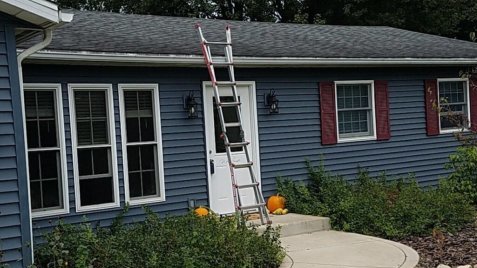
Gutters play a critical role in directing roof runoff away from your home. When they’re clogged or damaged, water can overflow and collect at the base of the foundation.
Make sure to:
- Clean gutters regularly, especially in the fall and spring
- Check for sagging or improperly pitched sections
- Ensure gutters are securely attached and free of leaks
Even a small overflow during a heavy rain can lead to significant water accumulation around your foundation.
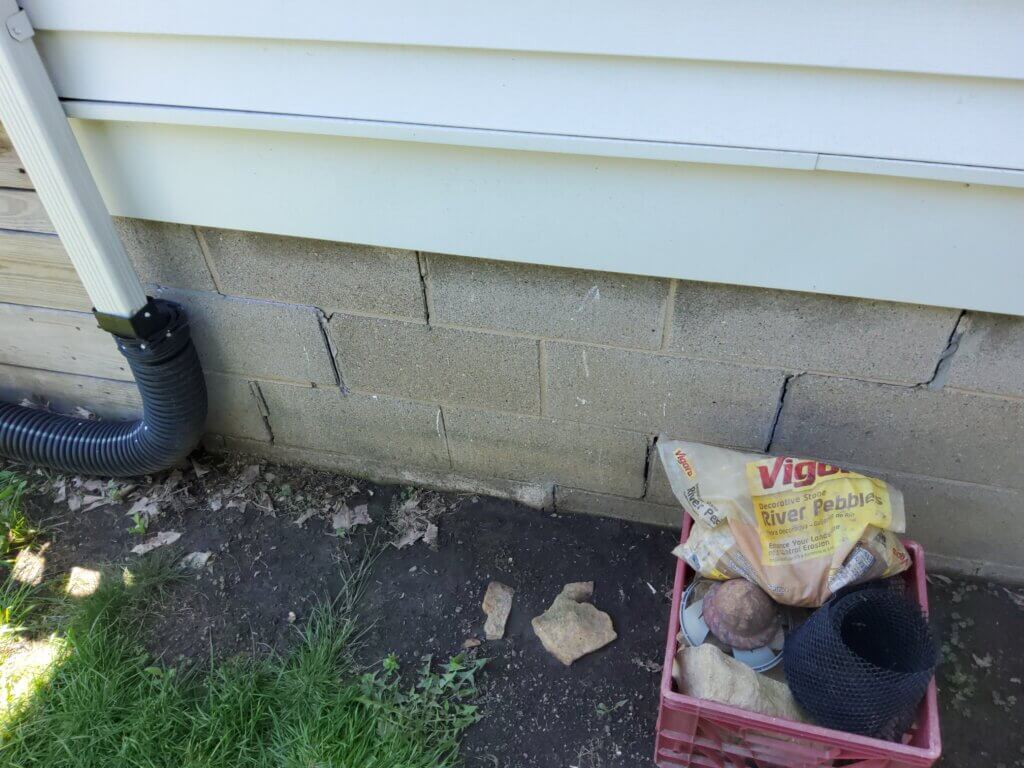
Short Downspouts can cause seepage
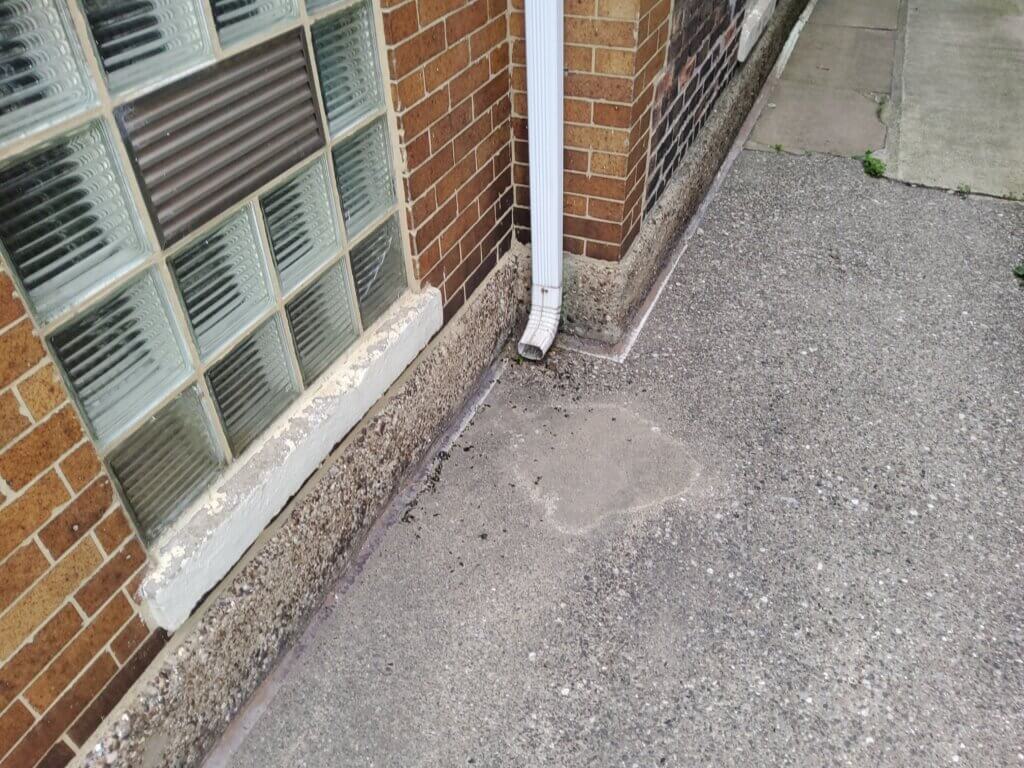
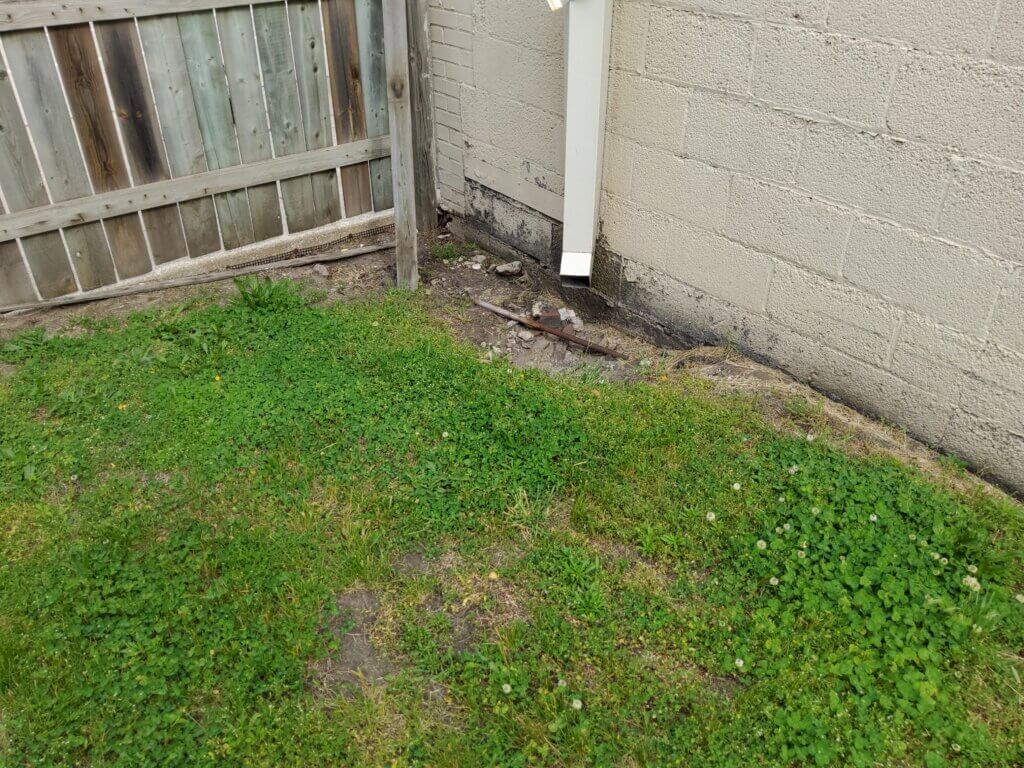

Downspouts should discharge water far enough away from the foundation to prevent it from draining back toward the house.
Best practice:
- Extend downspouts at least 5–10 feet away from the foundation
- Use solid extensions or buried drain lines where possible
- Avoid dumping water onto driveways or walkways that slope back toward the home
Short or missing extensions are one of the most common causes of basement seepage we see during inspections.
Check Hard Surfaces for Proper Pitch
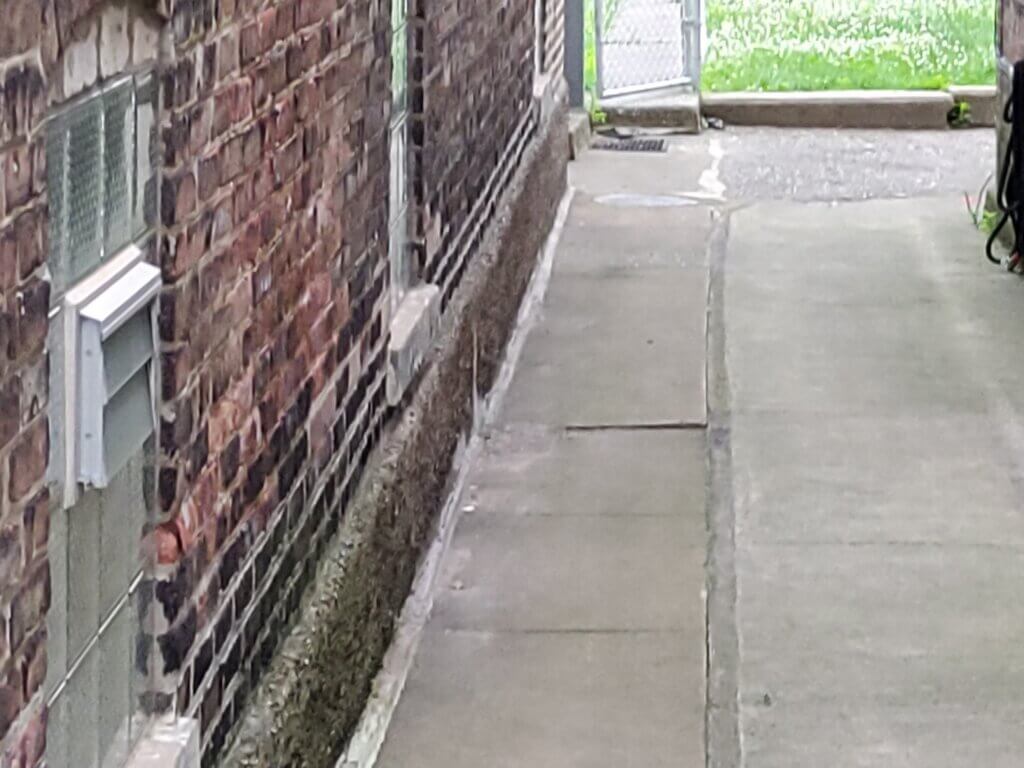
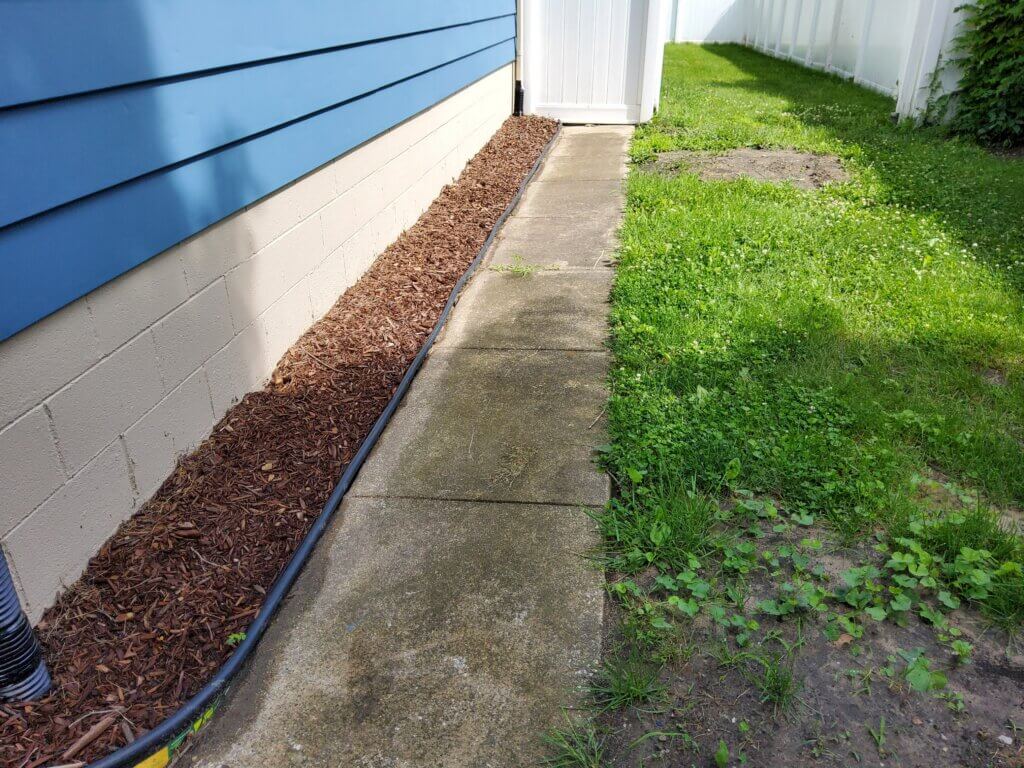
Concrete surfaces like driveways, sidewalks, and patios should slope away from the home—not toward it.
Over time, these surfaces can settle or shift, creating unintended drainage toward the foundation.
Inspect for:
- Cracks or sunken sections
- Water pooling near the house after rain
- Walkways or patios that direct water inward
In some cases, mudjacking, resurfacing, or replacement may be necessary to correct the slope.
Install and Maintain Window Well Covers
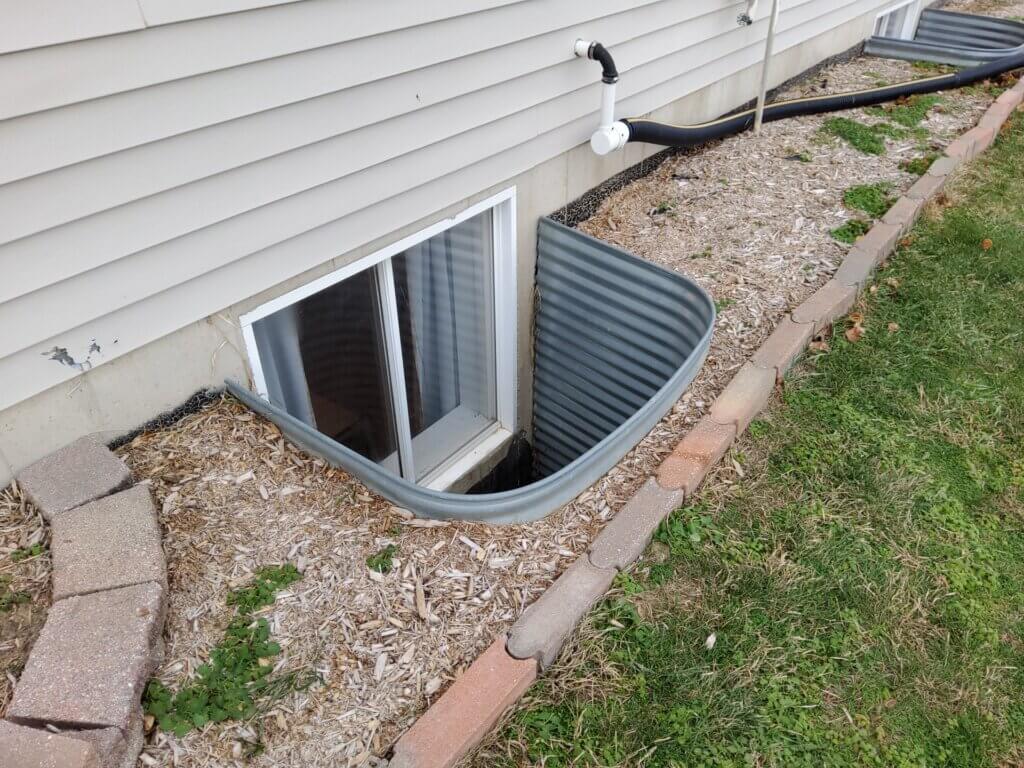
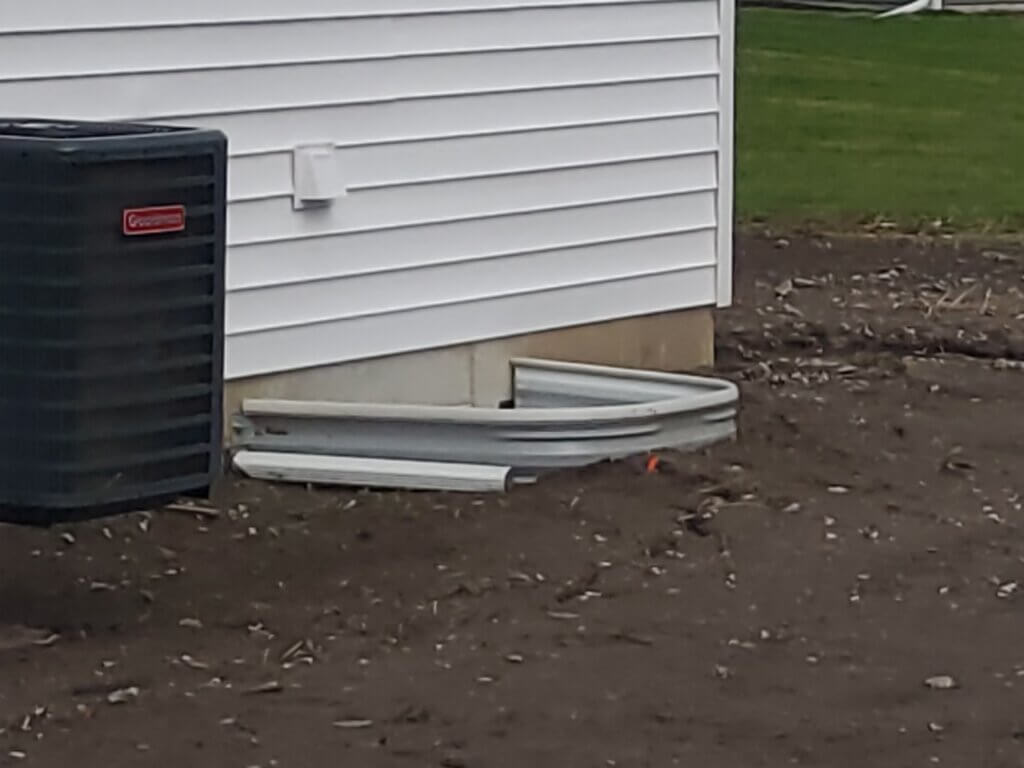
Basement window wells are especially vulnerable during heavy rains. Without proper covers, they can quickly fill with water and leak into the basement.
To reduce risk:
- Install clear, properly fitted window well covers
- Keep wells free of debris
- Ensure drains within the well are clear and functioning
This is a simple and relatively inexpensive upgrade that can prevent significant water intrusion.
Inspect Foundation and Seal Openings
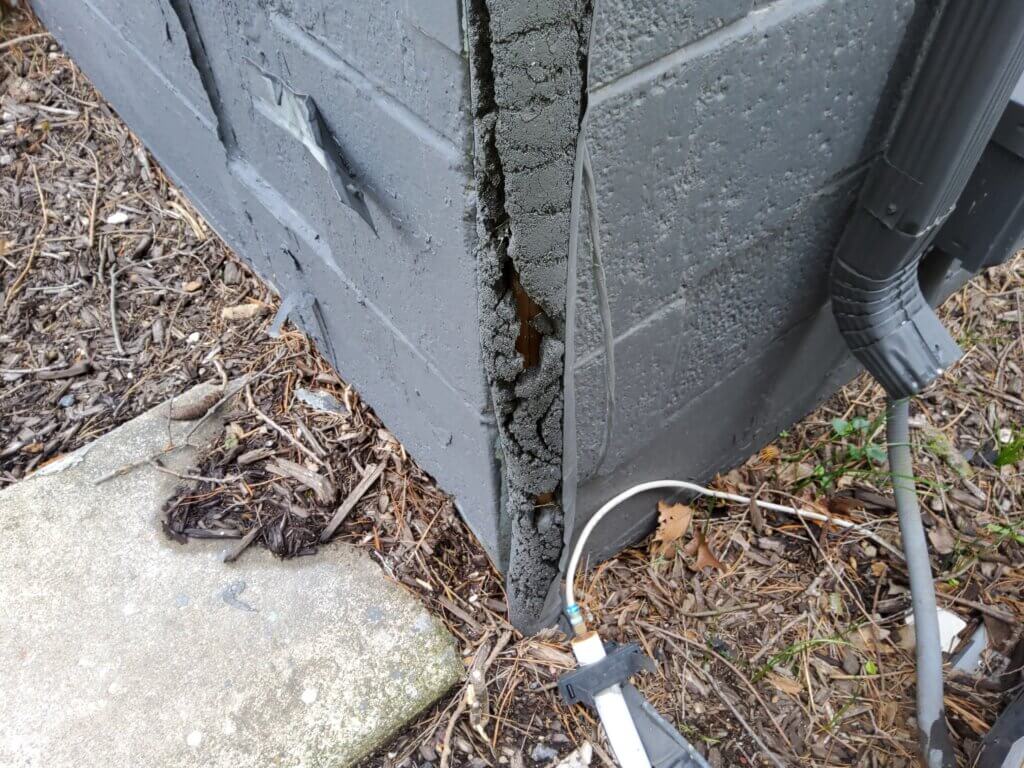
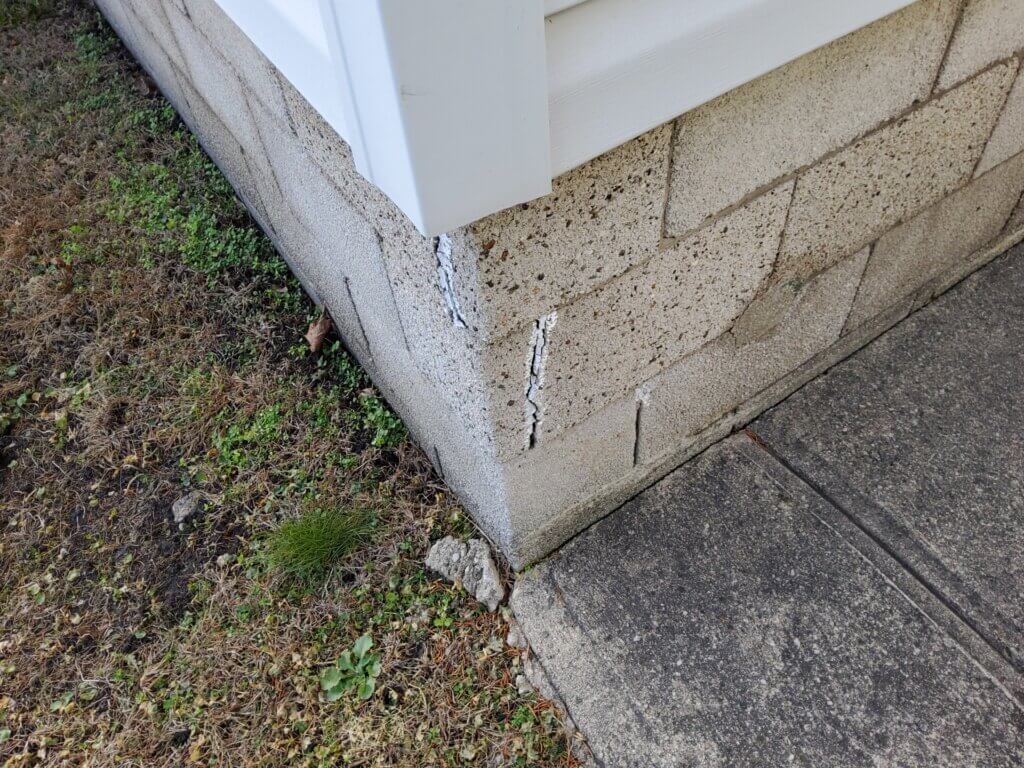
Even with good drainage, water can find its way through cracks or openings in the foundation.
Look for:
- Visible cracks in foundation walls
- Gaps around utility penetrations
- Deteriorating mortar joints
Sealing minor cracks and openings can help reduce moisture intrusion, but larger structural issues should be evaluated by a professional.
Consider a Comprehensive Drainage Plan
If your property consistently experiences water issues, you may need a more advanced solution such as:
- French drains
- Exterior drain tile systems
- Sump pump installation or upgrades
A home inspection can help identify whether these solutions are necessary.
Final Thoughts
Water intrusion is one of the most preventable issues homeowners face—but only if the warning signs are caught early. Proper grading, functional gutters, and effective drainage systems work together to keep your foundation dry, even during heavy rains.
If you’re unsure whether your home is properly protected, a professional inspection can provide peace of mind and identify problems before they turn into expensive repairs.
At Certified Home Inspections, we help Northwest Indiana homeowners stay ahead of these issues with thorough, detailed evaluations.
Follow us on social media for valuable home maintenance tips