


Protect buildings, reduce risk, and document electrical system conditions with professional infrared inspections from Certified Home Inspections. Annual thermographic scanning is increasingly important for commercial properties because updated NFPA 70B guidance emphasizes annual infrared thermography inspections, while insurers and risk engineers point to thermal scanning as a practical way to identify overheating connections, overloaded circuits, and other hidden electrical concerns before they lead to failures, downtime, or fire loss.
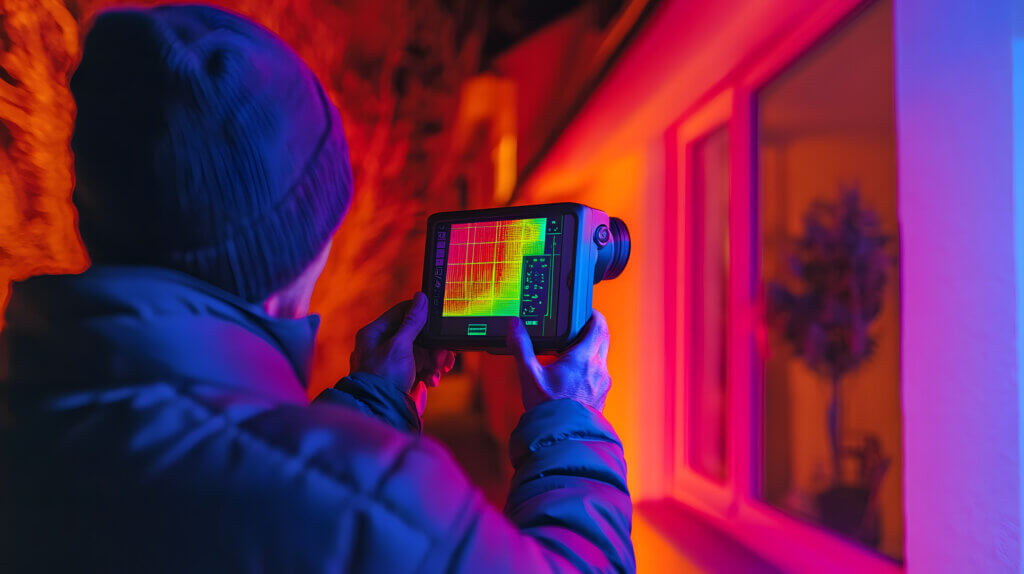
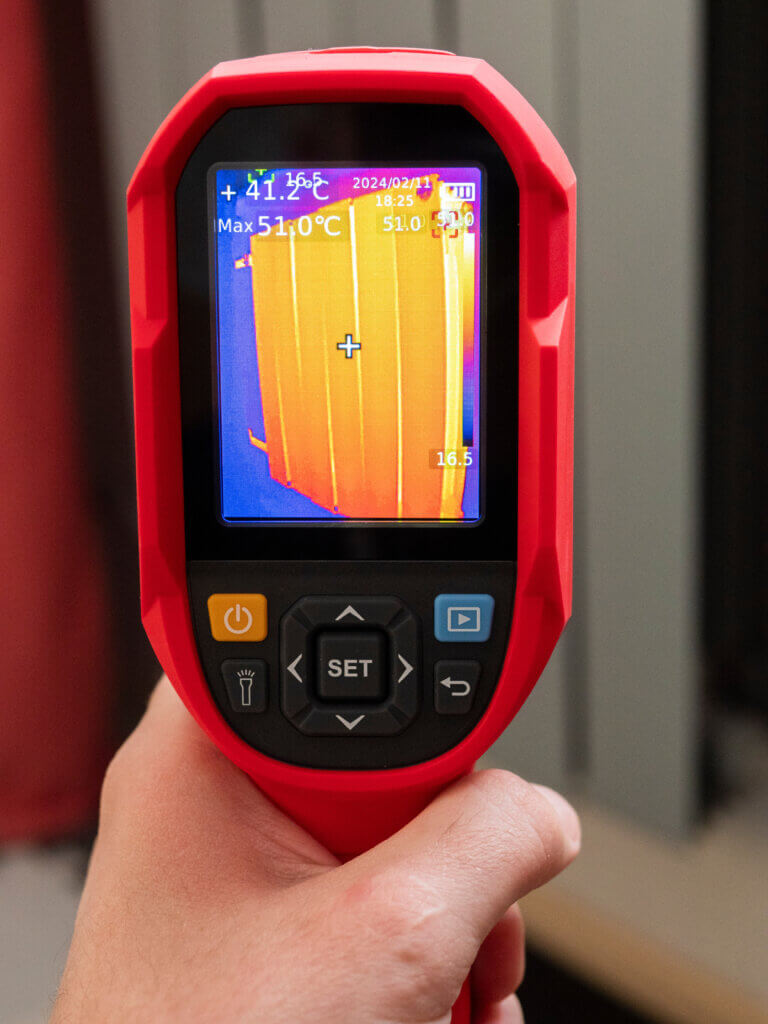
Certified Home Inspections is now a Certified Level 1 Electrical Thermographer, offering commercial infrared scanning services designed to help building stakeholders identify developing electrical issues early and support proactive maintenance planning. Thermal imaging is a non-contact inspection method that detects abnormal heat patterns in electrical systems, which can indicate resistance, loose connections, overloaded components, imbalance, or other conditions that may not be visible during a standard visual review.
Or call 219-476-9225
Who this helps
Realtors
When a commercial transaction is moving forward, unexpected electrical deficiencies can create delays, renegotiation, or liability concerns. Infrared scanning helps uncover heat-related electrical problems in panels, switchgear, and connected equipment so buyers, sellers, and brokers have better information before issues become expensive surprises.
Commercial building owners and property managers
Annual electrical thermography can support a smarter maintenance program by identifying hot spots and emerging failures before they interrupt operations. Risk engineering and maintenance sources note that thermal scans can help reduce unplanned downtime, improve safety, and support predictive maintenance decisions across critical building systems.
Insurance agents and brokers
For some commercial occupancies, electrical infrared scanning has become an important risk-control discussion because annual or periodic inspections may be expected based on occupancy, environment, equipment criticality, and insurer requirements. Liberty Mutual notes that heavy manufacturing or dust-heavy occupancies often align with annual inspections, while lighter occupancies may fall into longer intervals depending on conditions and findings.
Why electrical thermography matters
Electrical problems often develop long before they are visible. Infrared thermography helps identify abnormal heat signatures associated with loose or deteriorating connections, overloaded circuits, faulty components, and load imbalance so corrective action can be prioritized before failure occurs.
A thermal scan can be valuable because it may help:
- Detect hidden hot spots in energized equipment.
- Reduce the chance of unplanned downtime and interruption to operations.
- Support safer, more proactive maintenance decisions.
- Provide documentation that can be useful for maintenance records, property due diligence, and insurance conversations.
What is scanned
Our commercial infrared scanning service is designed for electrical system components that can be safely observed under operating conditions. Sources discussing thermography and NFPA 70B commonly reference equipment such as switchgear, transformers, circuit breakers, motors, and related electrical equipment as appropriate targets for thermal inspection programs.business.libertymutual+1
Typical scan targets may include:
- Main panels and subpanels.
- Disconnects and breakers.
- Switchgear and distribution equipment.
- Electrical connections and accessible components under load.
- Selected mechanical/electrical equipment where heat patterns may indicate developing issues.
What clients receive
Infrared scan programs are most useful when they end with clear documentation and practical next steps. Risk engineering guidance says clients should expect a completed report, a list of equipment scanned, a description of findings, and recommendations, along with follow-up documentation for completed repairs when applicable.
Your report may include:
- Thermal and visual images of noted conditions.
- Identification of observed temperature anomalies.
- A summary of areas scanned.
- Recommendations for further evaluation, repair, or monitoring as needed.
- Documentation you can retain for maintenance, transaction, or insurance files.
Important service note
Thermal scanning is most effective when equipment is operating under normal load conditions, because energized systems reveal the heat patterns that help identify developing problems. Liberty Mutual also notes that scan preparation may require route planning and appropriate access to electrical equipment, including qualified personnel and PPE when panels must be opened.
Suggested WordPress callout box
New Service: Annual Commercial IR Electrical Scans
Certified Home Inspections now offers Level 1 electrical thermography services for commercial clients who want to improve electrical risk visibility, support annual maintenance practices, and strengthen documentation for ownership, transactions, and insurance review. NFPA 70B materials and insurer guidance both support the value of periodic infrared inspection programs, with annual scans often emphasized for higher-risk occupancies.
FAQ section
Do commercial buildings need annual infrared scans?
In many cases, annual scanning is now treated as an important best practice, and some sources state NFPA 70B requires annual infrared thermography inspections of electrical equipment. Insurance expectations can also vary by occupancy, environment, prior findings, and carrier requirements.
What kinds of issues can thermal imaging find?
Thermal imaging can help reveal overheating connections, overloaded circuits, imbalanced loads, and other heat-related anomalies that may indicate elevated failure risk.
Is this useful during a commercial real estate transaction?
Yes. Thermal imaging can provide another layer of information about the condition of active electrical systems, which may help buyers, sellers, brokers, and property stakeholders evaluate risk and prioritize further review.
Do scans replace evaluation by an electrician?
No. Thermography helps identify temperature anomalies and areas of concern, while repair or further diagnosis may need to be completed by a qualified electrical contractor. That approach aligns with the way thermal imaging is used in predictive and preventive maintenance programs.